If you are a car enthusiast or even just a regular car owner who wants to keep your vehicle running smoothly, learning how to use an engine vacuum gauge can be a real game-changer. A vacuum gauge is one of the simplest yet most effective tools for car engine testing and performing a thorough performance check. It gives you insights about your engine’s health that are sometimes hard to detect through normal driving or even a
mechanic’s visual inspection. In this guide, we will walk you through why a vacuum gauge is important, how it works, and the step-by-step process to use it effectively to check your engine’s performance.
Why Use a Vacuum Gauge?
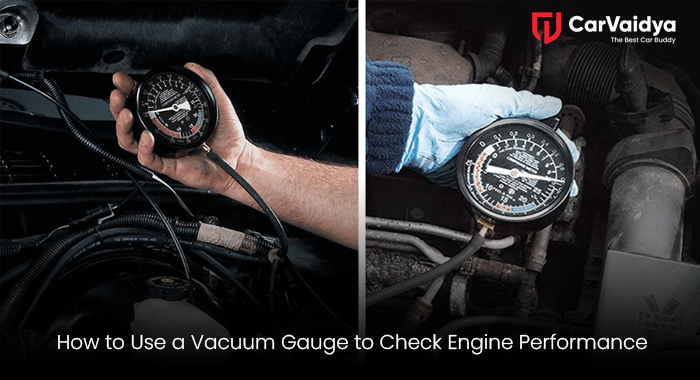
A vacuum gauge measures the negative pressure inside your engine’s intake manifold. Essentially, it tells you how efficiently your engine is breathing. When your engine is in good shape, the gauge will show a steady reading. If there are leaks, worn-out components, or timing issues, the gauge will fluctuate or drop abnormally.
Using an engine vacuum gauge is especially helpful because it helps identify problems like:
- Leaking intake gaskets
- Worn-out piston rings
- Valve issues
- Ignition timing problems
- Blocked or malfunctioning carburetors
By spotting these issues early with a vacuum gauge, you can prevent major engine damage and save a lot of money in repairs.
Understanding Vacuum Gauge Readings
Before we get to the practical steps, it’s important to know what different vacuum readings indicate:
- Steady reading around 17–22 inHg (inches of mercury): Your engine is healthy, timing is correct, and no leaks are detected.
- Steady low reading below 17 inHg: Could indicate a late ignition timing, worn valves, or carbon buildup.
- Fluctuating needle: Could point to valve issues or an uneven engine idle.
- Sudden drops: Often caused by a sticking valve, a vacuum leak, or a misfire.
Knowing these basics makes car engine testing much easier and more accurate.
Step-by-Step Guide to Using a Vacuum Gauge
Step 1: Gather Your Tools
You will need
- A reliable engine vacuum gauge
- A set of wrenches or screwdrivers for any hose removal
- Safety gloves
CarVaidya’s guide for reference, if you want more detailed inspection tips
Step 2: Connect the Gauge
- Locate a vacuum source on your engine. Most often, this is a vacuum port on the intake manifold.
- Connect the vacuum gauge to the port using the provided hose. Make sure the connection is tight to avoid false readings.
- Ensure the car is turned off while connecting the gauge.
Step 3: Start the Engine
- Start the car and let it idle at normal operating temperature.
- Watch the vacuum gauge as the engine warms up. A healthy engine will show a steady reading.
Step 4: Observe the Readings
Note the idle reading.
As mentioned earlier, a steady reading between 17–22 inHg is normal.
Increase engine RPM slightly and observe how the needle behaves. A small drop is normal, but large fluctuations can indicate engine issues.
Step 5: Perform Additional Tests
- Closing the Throttle Quickly: Snap the throttle closed and observe the spike in vacuum. A healthy engine should show a quick spike and return to normal.
- Changing Engine Load: Turn on AC or other accessories and watch for changes. Sudden drops may indicate engine stress or vacuum leaks.
Step 6: Analyze and Take Action
Once you have the readings, compare them with standard vacuum readings for your specific car model. If anything seems off, it’s time for a deeper inspection. You may check for vacuum leaks, worn valves, or timing issues. If you are not confident, services like CarVaidya can help you perform a professional performance check.
Tips for Accurate Engine Testing
- Always test on a warm engine for reliable results.
- Make sure the gauge is calibrated properly before using.
- Avoid testing in extremely cold or hot weather, as it may affect readings.
- Repeat the test a few times to confirm results.
- Take notes during the test so you can track performance changes over time.
Benefits of Using a Vacuum Gauge
Using a vacuum gauge is not only about detecting problems but also about proactive maintenance. Some benefits include:
- Early detection of engine issues
- Better fuel efficiency
- Improved engine longevity
- Peace of mind knowing your engine is running properly
Even if you are not a professional mechanic, understanding how to use a vacuum gauge empowers you to keep your car running smoothly without expensive surprises.
A vacuum gauge is a simple yet powerful tool for car engine testing and performing a detailed performance check. By learning how to interpret the readings and observing engine behavior under different conditions, you can detect issues before they become major problems. Remember, even small issues like a vacuum leak or incorrect timing can affect fuel efficiency and engine life.
For detailed guidance and professional inspection,
CarVaidya offers services that can help you test your engine using specialized tools, including vacuum gauges. Regular checks using this method can keep your engine healthy, efficient, and reliable for years.
Investing a little time in understanding your engine’s vacuum can save you a lot of trouble later. So, grab your engine vacuum gauge, follow this guide, and start monitoring your car’s performance today!



 By CarVaidya
0 Comments