When it comes to vehicle safety, your car's braking system
is the most important component. In all parts, the car brake pads play an
important role in sure that your car slows down or stops easily when needed.
Unfortunately, many car owners ignored brake maintenance, leading to
performance, security risk and even expensive repairs. One of the most common
questions of car owners is: How often should you replace car brake pads?
In this blog, we will cover you all the things necessary to
know about the brake pad replacement, signs, which indicate time for a change,
brake pads affect life affecting life, and expert tips to keep your braking
system in the top position.
Understanding car brake pads
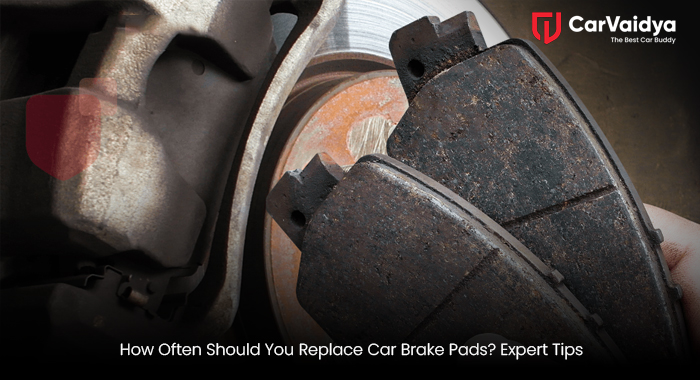
Car brake pads are flat components that press the brake
rotor (or disc) to create friction, which slows the wheels. Over time, it wears
the friction pad down, which requires brake pad replacement. The lifestyle of
the brake pad may vary depending on your driving style, type of pad and road
conditions.
How often should the brake pads be replaced?
On average, car brake pads should be converted from every
30,000 to 70,000 kilometers. However, this is not a size-fit-all rule. Some
high quality pads can last long, while aggressive driving or heavy loads can
wear them fast out.
Brake Pad Major Factors affecting Life
- Driving Style - Constant hard braking quickly wears pads.
Smooth braking helps them last long.
- Type of brake pad-carbonic pads wear faster than semi-metal
or ceramic.
- Road conditionsRoad conditionsaffic with traffic consumes
pads faster than driving highway driving.
- Vehicle weight - Heavy vehicles put more pressure on the
brake pad.
- Brake Maintenance - Regular inspection and timely servicing
ensure that pads complete their full life period.
Expert Tips for Brake Pad Replacement
- Don’t Delay Replacement – Worn pads can damage rotors,
increasing repair costs.
- Replace in Pairs – Always change brake pads on both wheels
of the same axle to maintain balance.
- Choose Quality Pads – Invest in high-quality pads for better
performance and longer life.
- Regular Brake Maintenance – Get your brakes inspected every
10,000 km during routine servicing.
- Check Brake Fluid – Brake pad performance is linked to fluid
quality; ensure it’s topped up and clean.
- Smooth Driving Habits – Avoid aggressive braking to extend
pad life.
Types of Brake Pads and Their Durability
- Organic Pads – Affordable but wear quickly; best for light
driving.
- Semi-Metallic Pads – Good durability, better heat
resistance, commonly used.
- Ceramic Pads – Long-lasting, quiet, and produce less dust;
slightly more expensive.
Depending on your driving needs, selecting the right car
brake pads is as important as timely replacement.
Why Brake Maintenance Matters
- Regular brake maintenance ensures:
- Maximum safety for you and your passengers.
- Longer life of rotors and calipers.
- Better fuel efficiency, since efficient brakes reduce unnecessary
strain on the engine.
- Cost savings by preventing major brake system damage.
Brake pad replacement is not just a routine task—it’s a
critical safety measure. While most car brake pads last between 30,000 and
70,000 km, the exact interval depends on your driving habits, vehicle type, and
road conditions. By staying alert to warning signs and following expert tips
for brake maintenance, you can keep your car’s braking system in top shape.
You can read some other articles
Essential car brake repairs
Common issues cars have
during the rainy season
The benefits of regular car
inspections



 By CarVaidya
0 Comments