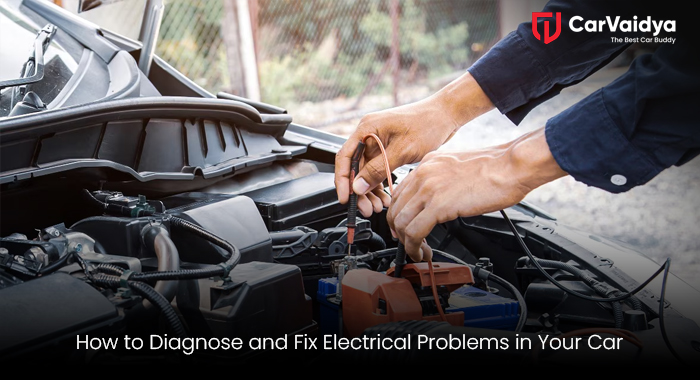
Electrical faults can turn your smooth driving experience into a stressful one. From flickering headlights to a car that suddenly refuses to start, electrical glitches can show up anytime. In this guide, you will learn how to diagnose and fix electrical problems in your car step by step. The goal is to make you confident enough to identify issues early and avoid costly repairs later. Electrical systems in modern cars are complex, but with the right direction, you can understand common car electrical problems, spot warning signs, and take the right action. Let’s break it down in simple language so anyone can follow.
1. Understanding Common Car Electrical Problems
Most electrical issues happen because some component is either failing or not getting enough power. Here are the most
common car electrical problems you should keep an eye on:
- Dim or flickering headlights
- The car is not starting due to the battery or wiring
- Dashboard lights are glowing randomly
- Power windows not working
- Fuses blowing frequently
- Burning smell from wires
- Weak horn sound
If your car shows any of these signs, there is a high chance that something is wrong in the electrical system.
2. Start with the Basics – Check the Battery First
Around 60% of electrical issues come from
car battery problems. Before jumping to complex checks, always begin with the battery.
How to identify battery issues
- The car cranks slowly
- Battery terminals are corroded
- Electrical features like AC, radio, or lights feel weak
- The battery warning light on the dashboard
You can clean the terminals using a wire brush. If the battery is more than 3–4 years old, get it tested. A failing battery can mimic multiple symptoms of electrical faults and confuse you.
3. Inspect Car Wiring Issues
Loose, damaged, or burnt wires are a major reason behind car wiring issues. This is especially common in older cars or vehicles exposed to rats, road debris, or aftermarket accessories installed without proper knowledge.
How to check wiring
- Look for loose connections near the battery, fuse box, and engine bay
- Check for cuts, exposed wires, or melted insulation
- See if any wires produce a spark when touched (avoid this if you are not confident)
Sometimes, a small wiring cut can stop the car from starting. If you notice anything suspicious, avoid driving the vehicle and get it inspected at a reliable service center like CarVaidya.
4. Alternator Issues in Car – A Silent Culprit
Your alternator keeps the battery charged. If it stops working properly, the battery drains quickly, and the car shuts down in the middle of the road.
- Symptoms of alternator issues in a car
- Headlights brighten and dim randomly
- Battery warning light stays on
- The car stalls even when the battery is new
- Burning smell from the alternator belt
To check the alternator output, you need a multimeter. A healthy alternator should show around 13.5–14.5 volts when the engine is running. Anything outside this range means a replacement or repair is needed.
5. Car Starter Motor Issues – When the Engine Doesn’t Crank
- Signs of starter problems
- Single or rapid clicking noise
- The engine doesn't crank at all
- Smoke near the engine bay
- The starter motor gets overheated
You can softly tap the starter motor with a small tool; sometimes it may help it start once or twice. But this is only a temporary fix. A failing starter needs proper repair or replacement at the earliest.
6. Check the Fuse Box – Small Component, Big Role
Your fuse box protects all the electrical circuits. If one fuse blows, a specific component stops working. For example, if the power window fuse is gone, only that window will fail.
How to identify fuse issues
- Use the diagram on the fuse box cover
- Pull out suspected fuses with a fuse puller
- If the fuse wire is broken or burnt, replace it
Always replace fuses with the same amp rating to avoid bigger electrical damage.
7. How to Identify Car Electrical Issues in a Systematic Way
To avoid confusion, follow this method:
- Check battery
- Inspect fuses
- Test alternator
- Review the wiring harness
- Check the starter motor
- Scan the car with an OBD-II scanner
This sequence helps narrow down the fault without guessing. An OBD scanner can read codes related to voltage drops, sensor failures, and wiring faults.
8. Car Electrical Repair Tips for Beginners
- Never ignore a burning smell
- Avoid using cheap aftermarket wiring
- Don’t overload the car with accessories
- Clean battery terminals every 3–4 months
- Get regular service checks
- If the car shows multiple electrical warnings, don’t drive
Following these tips can prevent expensive damage and electrical fires, too.
Diagnose and Fix Electrical Problems in Your Car Before They Get Worse
Electrical problems don't always appear suddenly; they start with small symptoms. When you know how to diagnose and fix electrical problems in your car, you can catch issues early and avoid breakdowns. Whether it’s car wiring issues, car battery problems, alternator issues, or starter motor issues, understanding the basics helps a lot.



 By CarVaidya
0 Comments