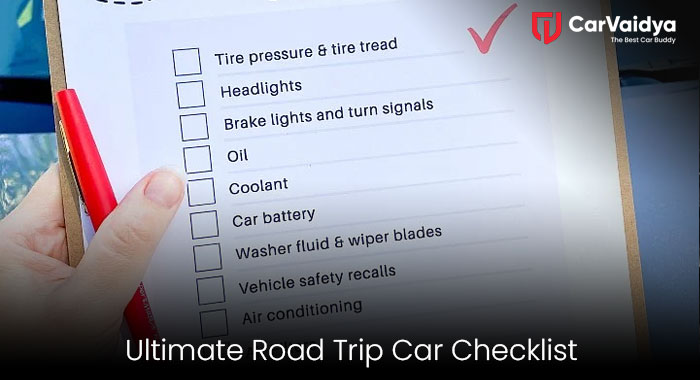
Planning a road trip is an impressive adventure, filled with the promise of new sights, experiences, and memories. However, to establish your journey is smooth and enjoyable, it's necessary to prepare your car perfectly. This ultimate road trip car checklist covers everything you need to search, pack, and prepare before hitting the open road.
Pre-Trip Car Maintenance
1. Check Fluids
Engine Oil: Ensure the oil is at the correct level and not too old. Change it if it's nearing the end of its life.
Coolant: Verify the coolant level to prohibit overheating. Top it up if necessary.
Brake Fluid: Check the brake fluid level and provide it’s within the recommended range.
Transmission Fluid: Inspect the level and condition of the transmission fluid.
Windshield Washer Fluid: Fill up the windshield washer fluid reservoir.
2. Inspect Tires
Tire Pressure: Check the pressure of all tires, including the spare. Inflate them to the recommended levels.
Tread Depth: Ensure the tread depth is adequate. Replace tires with excessive wear.
Alignment and Balancing: Consider getting your tires aligned and balanced for a smoother ride.
3. Check the Battery
Battery Health: Test the battery to ensure it’s in good condition. Look for signs of corrosion on the terminals.
Connections: Make sure all battery connections are secure.
4. Inspect Lights and Signals
Headlights and Taillights: Ensure all lights are working correctly, including high beams.
Turn Signals: Check that all turn signals function properly.
Brake Lights: Verify that the brake lights illuminate when the brake pedal is pressed.
Hazard Lights: Test the hazard lights to ensure they are operational.
5. Check the Brakes
Brake Pads and Rotors: Inspect the condition of the brake pads and rotors. Replace them if they are worn out.
Brake Response: Ensure the brakes respond promptly and don’t feel spongy.
6. Inspect Belts and Hoses
Belts: Look for signs of wear, cracks, or fraying. Replace if necessary.
Hoses: Check for leaks, bulges, or cracks. Ensure all connections are tight.
7. Windshield Wipers
Wiper Blades: Check the condition of the wiper blades. Replace them if they leave streaks.
Washer Nozzles: Ensure the nozzles are not clogged and spray properly.
8. Emergency Kit
Basic Tools: Include a set of essential tools like screwdrivers, pliers, and a wrench set.
Jumper Cables: A must-have for unexpected battery issues.
Spare Tire Kit: Ensure you have a jack and a lug wrench.
First Aid Kit: Stock it with bandages, antiseptics, pain relievers, and other basic medical supplies.
Flashlight: Bring a flashlight with extra batteries.
Reflective Triangles: For safety during breakdowns.
Essential Road Trip Items
9. Navigation and Communication
GPS Device or Maps: Ensure your GPS device is updated. Carry physical maps as a backup.
Phone Charger: Bring a car charger to keep your phone powered.
Emergency Contacts: Have a list of emergency contacts and roadside assistance numbers.
10. Comfort and Convenience
Snacks and Water: Pack non-perishable snacks and plenty of water.
Travel Pillows and Blankets: For added comfort during rest breaks.
Entertainment: Bring books, magazines, or download audiobooks and playlists.
11. Personal Items
Driver’s License and Insurance: Ensure you have your driver’s license, car registration, and proof of insurance.
Money and Credit Cards: Bring some cash and ensure your credit cards are accessible.
Sunglasses and Hats: To protect against glare and sun.
12. Health and Safety
Medications: Pack any necessary medications and a copy of prescriptions.
Hand Sanitizer and Masks: For hygiene, especially during stops.
Sunblock and Insect Repellent: Protect your skin from the sun and insects.
Preparing Your Car Interior
13. Clean and Organize
Clean the Car: Vacuum the interior and clean the windows for clear visibility.
Organize Storage: Use organizers to keep items accessible and prevent clutter.
14. Check Climate Control
Air Conditioning: Ensure the air conditioning works effectively.
Heater: Test the heater if you’re traveling to colder regions.
Final Checks Before Departure
15. Plan Your Route
Map Out Stops: Plan fuel stops, rest areas, and overnight stays.
Check Traffic and Weather: Stay informed about road conditions and weather forecasts.
16. Load Your Car Properly
Distribute Weight: Load heavy items low and towards the center to maintain balance.
Secure Loose Items: Use bungee cords or nets to secure luggage and prevent movement.
17. Review Emergency Procedures
Breakdown Plan: Know what to do in case of a breakdown. Have your roadside assistance number handy.
Accident Procedures: Review the steps to take in case of an accident.
18. Inform Someone of Your Plans
Share Itinerary: Give a trusted friend or family member your itinerary and contact information.
19. Final Walkthrough
Walk Around the Car: Do a final walk-around to check for anything amiss.
Check Doors and Windows: Ensure all doors and windows are properly closed and locked.
On the Road Tips
20. Drive Safely
Follow Speed Limits: Adhere to speed limits and traffic rules.
Take Breaks: Stop every few hours to rest and stretch.
Stay Alert: Avoid distractions and stay focused on the road.
21. Monitor Car Performance
Listen for Unusual Noises: Pay attention to any new sounds or vibrations.
Watch Gauges: Regularly check the fuel gauge and other dashboard indicators.
22. Be Prepared for Emergencies
Know Your Location: Always be aware of your current location.
Stay Calm: In case of an emergency, stay calm and follow your pre-planned procedures.
A well-prepared car is necessary for a successful and enjoyable road trip. By following this exhaustive checklist, you can establish your vehicle is ready to handle the journey ahead, allowing you to focus on the adventure and create enduring, memories. Happy travels!
You can read some other articles
Important tips for driving in cold weather
Top workshops for car AC repair in Pune
Top workshops for car AC repair in Bangalore



 By CarVaidya
0 Comments