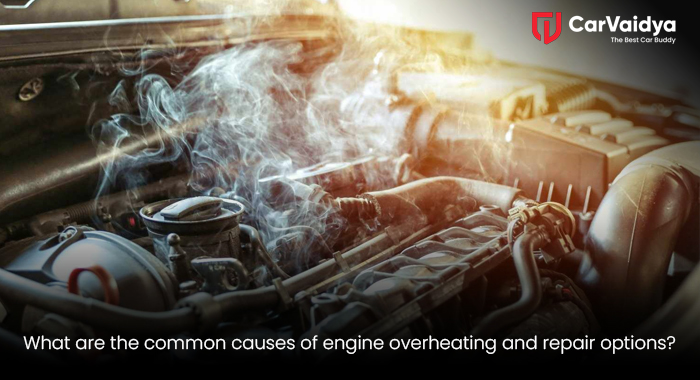
The sickening sight of steam billowing from under your hood is every driver’s nightmare.
Engine overheating isn't just a breakdown; it’s a warning sign that your car’s heart, the engine, is in serious trouble. When the engine temperature rises too high, you risk catastrophic failure, warping metal, and bills that make your wallet weep. You need to understand what causes this problem and how to fix it fast. Let’s dive into the
common causes of engine overheating and the best repair options to keep your engine running cool.
The Usual Suspects: Why Your Engine is Running Hot
Your car’s cooling system is a closed loop designed to pull heat away from the engine. When any part of this system fails, the delicate balance is lost, and the temperature gauge soars.
1. The Great Escape: A Coolant Leak
This is probably the most frequent reason your engine runs hot. Coolant (or antifreeze) is the lifeblood of your cooling system. If you see a sweet-smelling, brightly coloured puddle under your car, you likely have a coolant leak.
- The Problem: Leaks reduce the overall coolant level, meaning there isn't enough fluid to circulate and absorb the massive heat generated by the engine. Common leak points are damaged hoses, a cracked radiator, a loose radiator cap, or even a failing water pump seal.
- Repair Option: You must find and seal the leak. A simple clamp replacement may fix a hose connection, but a damaged radiator or hose needs replacement. If the coolant loss is rapid, you have a major leak that requires immediate professional attention.
2. Stuck in the Heat: Thermostat Failure
The thermostat acts like a valve, opening only when the engine reaches its optimal operating temperature to allow coolant to flow to the radiator.
- The Problem: If the thermostat gets stuck in the closed position, it traps the extremely hot coolant in the engine block, preventing it from reaching the radiator for cooling. The result is a quick spike in engine temperature.
- Repair Option: This component is relatively inexpensive to replace. If you suspect thermostat failure, simply replace it with a new one recommended for your vehicle.
3. Clogged Circulation: Radiator Blockage
The radiator is where the coolant disperses heat to the outside air. This process needs to work efficiently.
- The Problem: Over time, sediment, rust, and mineral deposits can build up and create a radiator blockage, restricting the flow of coolant through the narrow passages. Externally, dirt and debris can also clog the tiny fins, reducing the heat transfer effectiveness.
- Repair Option: A professional Coolant Flush can often clear internal blockages and should be part of your routine Car Maintenance. However, if the blockage is severe or the radiator is severely damaged, a full replacement is necessary.
4. The Heart of the System: A Failing Water Pump
The Water Pump mechanically forces coolant to circulate through the engine block, head, and radiator. It's the engine’s circulatory system.
- The Problem: A worn bearing, a broken impeller, or a leaking seal means the water pump can’t move the coolant properly. When circulation stops, heat buildup is inevitable, leading to dangerously high engine temperature.
- Repair Option: You have to replace the water pump. Because it’s often driven by the serpentine belt or timing belt, many mechanics recommend replacing the belt at the same time for smart Car Maintenance.
5. Fan Fails: A Problem with the Cooling Fan
Your car’s cooling fan is essential when you're driving slowly or stopped in traffic, as there is no natural airflow over the radiator.
- The Problem: A faulty electric fan motor, a blown fuse, or a problem with the fan clutch (for belt-driven fans) means the cooling fan doesn't kick on when needed. Without that air being pulled across the radiator fins, the hot coolant stays hot.
- Repair Option: Check the fuse first, as that’s the easiest fix. If the fuse is fine, you likely need a new fan motor or fan clutch assembly. Testing the fan operation is part of good Car Maintenance.
The Most Dreaded Cause: Head Gasket Failure
If you ignore the early signs of engine overheating, you may face the most costly problem: a blown Head Gasket.
- The Problem: The Head Gasket seals the engine block and cylinder head, keeping combustion gases in and coolant or oil out. Severe engine overheating warps the metal, causing the Head Gasket to fail. This allows hot combustion gases to pressurise the cooling system or lets coolant leak into the cylinders, resulting in rapid and repeated overheating. You might see white smoke from the exhaust or oil that looks milky.
- Repair Option: This is a major engine teardown job, involving removing the cylinder head, inspecting it for warping, and replacing the Head Gasket. This repair is complex and expensive, highlighting why you must address minor cooling issues immediately. If you need expert attention for a severe problem like this, you can trust CarVaidya to provide a transparent and efficient service.
Proactive Car Maintenance and Repair Steps
Preventing engine overheating is far better than repairing it. Your best defence is routine Car Maintenance.
- Check Coolant Levels: Regularly inspect your coolant reservoir and radiator levels. Top them up with the correct coolant/water mix specified by your car maker.
- Schedule a Coolant Flush: Perform a professional Coolant Flush every few years. This removes old, acidic coolant and prevents the corrosion and sediment buildup that leads to a radiator blockage.
- Inspect Belts and Hoses: Look for cracks, bulges, or leaks in your radiator hoses. Ensure the belts driving the water pump and cooling fan (if applicable) are taut and in good condition.
Understanding the
common causes of engine overheating gives you the power to protect your investment. Don't wait for the steam to rise. By being proactive with Car Maintenance and addressing things like a small Coolant Leak or a faulty Thermostat Failure right away, you will keep your engine temperature in the green and avoid costly surprises down the road.
You can read some other articles



 By CarVaidya
0 Comments