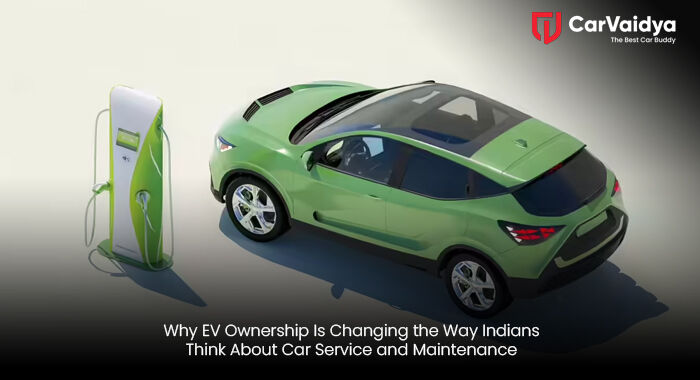
India’s automobile market is going
through a major transformation. Over the past few years, EV ownership in
India has increased rapidly as more people choose electric vehicles instead
of traditional petrol or diesel cars. Rising fuel prices, government
incentives, and growing environmental awareness are pushing this change. But
one interesting shift is happening beyond just buying electric cars. People are also rethinking how
car service and maintenance work. The traditional idea of visiting a
workshop every few months for engine oil, filters, and mechanical repairs is slowly changing. Electric vehicles operate very differently from internal
combustion engine cars, which is why electric vehicle maintenance is becoming a new experience for Indian car owners.
Let’s examine how EVs are changing how Indians think about car servicing and long-term maintenance.
Simpler
Mechanical Design Means Less Frequent Servicing
One of the biggest reasons EVs are
changing car servicing habits is their simple mechanical structure. A petrol or
diesel car has hundreds of moving parts inside the engine and transmission
system. Because of this, regular servicing becomes necessary. But in electric cars, the number of
moving components is much lower. There is no engine oil, no clutch, no exhaust
system, and no traditional gearbox in most EVs. This drastically reduces EV
service requirements.
For example, EV owners do not have
to worry about:
- Engine oil changes
- Fuel filter replacements
- Spark plug servicing
- Clutch wear and tear
Because of this simplicity, many
owners quickly realize that electric vehicle maintenance is easier and
less frequent compared to conventional cars.
Lower
Running Costs Change Ownership Mindset
Another major reason EVs are
shifting the mindset of Indian car owners is the cost of maintaining an
electric car. In a petrol vehicle, regular service intervals often include
oil replacement, engine tuning, filters, and many other components.
However, in an EV, most maintenance
focuses on a few key areas:
- Brake system
- Tires
- Suspension
- Cooling systems for battery and motor
As a result, the electric car
maintenance cost over time is generally lower than that of petrol or diesel
vehicles. Many EV users in India report that they spend significantly less on
yearly servicing compared to traditional vehicles. This difference naturally makes
people compare EV vs petrol car maintenance, and most buyers quickly
notice the financial advantage of electric vehicles.
Battery
Health Becomes the New Priority
While EVs require fewer mechanical
services, they introduce a completely new factor in car maintenance — battery
health in electric vehicles. The battery is the most expensive
and important component in an electric car. Instead of worrying about engine
performance, EV owners pay more attention to battery life, charging habits, and
temperature management.
To maintain good battery health
in electric vehicles, experts usually recommend:
- Avoid frequent fast charging
- Keep battery charge between 20% and 80% for daily use
- Avoid extreme heat exposure
- Follow manufacturer software updates
Because of these factors, EV
servicing is now more focused on diagnostics and software monitoring
rather than mechanical repairs.
Software
Diagnostics Are Becoming a Key Part of EV Servicing
Modern electric vehicles are highly
software-driven machines. Many problems in EVs can be detected through onboard
diagnostics and remote monitoring systems. This means that EV servicing
needs in India are shifting from traditional mechanical workshops to more
technology-driven service centers. Technicians now rely on:
- Software diagnostics tools
- Battery health reports
- Thermal system monitoring
- Electronic control unit updates
This is one of the biggest ways in which EVs change car servicing in India. The focus is moving from physical repair
to digital diagnostics and predictive maintenance.
Reduced
Wear on Brakes and Engine Components
Another advantage of electric
vehicles is regenerative braking. When an EV slows down, the motor helps
convert kinetic energy back into battery power. Because of this system, brake
pads experience less wear. This means EV owners replace brake
components less frequently compared to petrol vehicles. Over time, this
contributes to lower electric vehicle maintenance expenses. Since EVs do not have a traditional
engine, problems like overheating, piston damage, or engine vibration are also
eliminated. This further strengthens the perception that EV vs petrol car
maintenance is much simpler.
Service
Ecosystem in India Is Also Evolving
As EV ownership in India
continues to grow, the car servicing ecosystem is also adapting. Workshops now
need specialized training, diagnostic tools, and EV-specific knowledge. Many digital car service platforms
are also evolving to support EV owners with transparent maintenance guidance.
Platforms like CarVaidya are helping car owners understand the right
servicing schedule, warning signs, and professional inspection needs. Such
services become important especially when drivers notice unusual alerts,
warning lights, or charging-related issues in their vehicles. In the coming years, EV-focused
servicing networks will likely become a major part of India’s automobile
service industry.
Indian
Consumers Are Becoming More Informed
Electric vehicles are not just
changing how cars are powered; they are also changing how people think about
car ownership. EV buyers often spend more time learning about charging
practices, battery care, and energy efficiency. Because of this awareness, Indian
car buyers are becoming more informed about maintenance requirements. Instead
of blindly following service intervals, they want to understand:
- Actual EV service requirements
- Long-term electric car maintenance cost
- Battery degradation patterns
- Software updates and system checks
This knowledge-driven approach is
shaping the future of automobile ownership in India.
The
Future of Car Servicing in the EV Era
The shift toward electric mobility
is not only transforming how vehicles are built but also how they are
maintained. As EV ownership in India continues to grow, the traditional
service model will keep evolving.
Future EV servicing will likely
focus more on:
- Battery diagnostics
- Software upgrades
- Predictive maintenance systems
- Remote vehicle health monitoring
For car owners, this means fewer
workshop visits but smarter maintenance decisions. In many ways, how EVschange car servicing reflects a broader transformation in the Indian
automotive industry. Electric vehicles are not just
cleaner to drive — they are also redefining the entire concept of car
maintenance. And as more Indians adopt EVs, the shift in servicing mindset will
only become stronger in the coming years.
You can read some other articles
How ADAS Features Are Influencing New Car Buying Decisions in India
What Documents Are Required for Different RTO Services?
How to Check and Clear Traffic Challans Before Selling Your Car



 By CarVaidya
0 Comments